


Exterior shutters are more than decorative features. They frame your windows, enhance architectural style, and play a major role in shaping your home’s curb appeal. Over time, however, constant exposure to sunlight, dust, rain, and pollution causes shutters to lose their original color and finish. Stains, oxidation, and dull patches slowly develop, making even well-maintained homes appear neglected.
Using a reliable shutter cleaner is one of the most effective ways to restore and protect your shutters. With the right techniques and consistent maintenance, homeowners can avoid frequent repainting and costly replacements. Instead of relying on temporary solutions like shutter paint, proper cleaning and Seal It Green–aligned products help preserve surface quality for the long term. This guide explains how to clean, maintain, and protect your shutters while keeping them spotless throughout the year.
Why Regular Shutter Cleaning Is Essential
Many homeowners underestimate how quickly outdoor conditions affect shutters. Ultraviolet rays gradually weaken surface pigments, moisture encourages mold and mildew growth, and airborne pollutants leave behind stubborn residue. Without routine cleaning, these elements combine to damage the material and reduce its durability.
A high-quality shutter cleaner removes deep-seated grime and oxidation without stripping protective layers. Regular cleaning prevents buildup that leads to cracking, fading, and surface brittleness. It also helps shutters retain their flexibility and strength, which is especially important for vinyl and composite materials.
Consistent maintenance reduces the need for frequent repairs and limits dependence on shutter paint as a cosmetic fix. When shutters are cleaned properly, they remain attractive and structurally sound for years, contributing to both property value and visual appeal.
How to Use a Shutter Cleaner the Right Way
Effective shutter cleaning begins with proper preparation. Before applying any shutter cleaner, loose dust and debris should be removed using clean water or a soft brush. This step prevents scratches and allows the cleaner to work more efficiently on stubborn stains.
Once the surface is damp, the shutter cleaner should be applied evenly using a microfiber cloth or soft sponge. Gentle, consistent strokes help lift dirt and oxidation without harming the finish. Special attention should be given to grooves and corners, where buildup often accumulates.
After scrubbing, thorough rinsing is essential. Any remaining residue can attract new dirt and reduce the effectiveness of protective treatments. Allowing shutters to air dry naturally helps prevent streaking and uneven marks.
For heavily weathered shutters, multiple gentle cleaning sessions are more effective than aggressive scrubbing. Patience and consistency protect surface integrity and deliver better long-term results.
Preventing Fading and Surface Damage Over Time
Cleaning alone is not enough to ensure lasting shutter performance. Long-term protection requires regular inspection and preventive care. Homeowners should periodically check for discoloration, surface roughness, and loose fittings, as these signs often indicate early deterioration.
Applying restoration or protective products after using a shutter cleaner helps seal the surface and restore color depth. Many modern solutions developed with Seal It Green principles focus on water-based, environmentally responsible formulas that offer strong protection without toxic chemicals.
These treatments create a barrier against ultraviolet rays, moisture, and pollutants. As a result, shutters resist fading and remain vibrant for longer periods. This approach minimizes the need for shutter paint, which often peels or cracks when applied to poorly prepared surfaces.
Maintaining proper airflow around shutters also supports longevity. Trimming nearby plants and preventing moisture buildup reduces the risk of mold and material breakdown.
Choosing the Right Shutter Cleaner and Eco-Friendly Solutions
Not all cleaning products are suitable for exterior shutters. Some household cleaners contain harsh solvents that strip protective layers and weaken plastic or vinyl surfaces. Choosing the right shutter cleaner is essential for safe and effective maintenance.
High-quality shutter cleaners are typically low-odor, non-abrasive, and water-based. Products aligned with Seal It Green standards emphasize sustainability while delivering strong cleaning performance. These solutions protect surrounding landscaping and reduce environmental impact.
When selecting a shutter cleaner, homeowners should look for products designed specifically for outdoor surfaces. Compatibility with restoration systems adds further value and simplifies long-term care. Using trusted, environmentally responsible products ensures consistent results without harmful side effects.
Avoid mixing different chemical cleaners, as this can cause surface reactions and discoloration. Sticking with one reliable system improves safety and efficiency.
Avoiding Common Shutter Cleaning and Maintenance Mistakes
Many shutter problems result from improper methods rather than neglect. One of the most common mistakes is using pressure washers. While they remove dirt quickly, they often force water into seams and weaken surface coatings.
Another frequent error is applying shutter paint without thorough cleaning. When dirt and oxidation remain, paint fails to bond properly, leading to peeling and uneven finishes. In most cases, proper cleaning and restoration provide better and longer-lasting results than repainting.
Using abrasive brushes, steel wool, or strong solvents can also damage shutters. These tools strip protective layers and accelerate aging. Cleaning during extreme heat causes rapid drying and streaking, reducing effectiveness.
Following proper shutter cleaner techniques and working in mild weather conditions prevents these issues and protects your investment.
Creating a Simple and Sustainable Shutter Care Routine
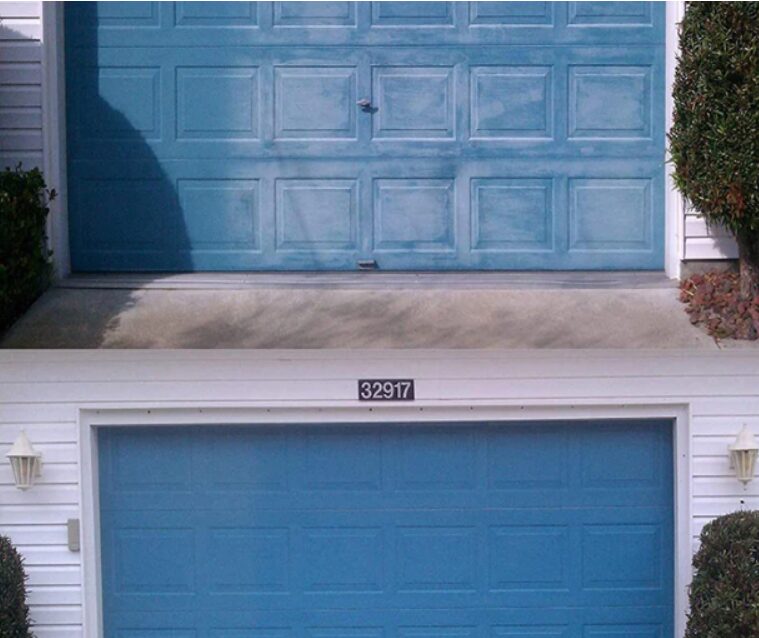
Developing a consistent care routine makes shutter maintenance easier and more effective. Instead of waiting until shutters appear severely worn, homeowners should adopt gradual upkeep practices.
Light rinsing every few months helps remove surface dust and pollutants. More thorough cleaning with a shutter cleaner can be performed periodically based on climate and exposure. Areas with strong sunlight or high pollution may require more frequent attention.
After cleaning, applying protective treatments maintains color and surface strength. Keeping cleaning tools and products readily available encourages regular maintenance and prevents delays.
Documenting care schedules also helps identify early signs of wear. When maintenance becomes part of routine home care, shutters remain spotless with minimal effort.
Final Thoughts
Using a reliable shutter cleaner is the most effective way to achieve spotless, long-lasting exterior shutters. Through proper cleaning, preventive care, and environmentally responsible Seal It Green solutions, homeowners can protect their shutters from fading, oxidation, and long-term damage.
Instead of relying on temporary fixes like repeated shutter paint applications, focusing on deep cleaning and surface preservation delivers stronger and more durable results. Consistent use of quality shutter cleaner products improves curb appeal, reduces maintenance costs, and extends shutter lifespan.
By following professional techniques, choosing the right products, and maintaining a simple care routine, every homeowner can enjoy clean, vibrant shutters throughout every season. Proper shutter maintenance is not just about appearance. It is about protecting your home’s value and creating a lasting impression.