


When it comes to eco-friendly dining solutions, disposable wooden cutlery has become a popular alternative to plastic. As more people shift toward sustainable lifestyles, understanding how these products impact the environment is essential. One of the most common questions people ask is: how long does disposable wooden cutlery actually take to decompose? The answer depends on several factors, including environmental conditions, disposal methods, and the quality of the wood used. In this article, we’ll explore decomposition timelines, influencing factors, and why brands like Gusto Ware are helping lead the shift toward greener dining solutions.
What is Disposable Wooden Cutlery?
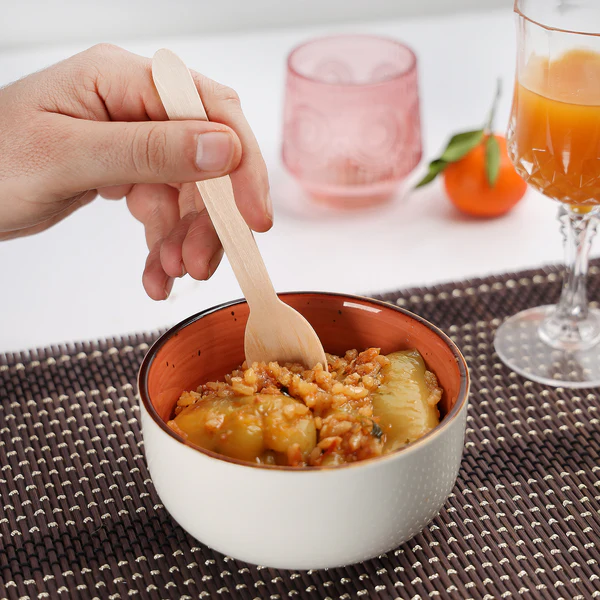
Disposable wooden cutlery refers to single-use utensils made from natural wood, typically birch or bamboo. These utensils are designed for convenience while being biodegradable and compostable. Unlike plastic cutlery, which can take hundreds of years to break down, wooden alternatives decompose naturally and return to the earth without leaving harmful residues. Products from Gusto Ware are crafted with durability and sustainability in mind, offering a practical solution for events, takeaways, and everyday use.
Average Decomposition Time
The decomposition time for disposable wooden cutlery typically ranges from 90 days to 6 months under ideal conditions. In industrial composting facilities, where heat, moisture, and microorganisms are carefully controlled, wooden cutlery can break down in as little as 2 to 3 months. In home composting setups, the process may take slightly longer, often around 4 to 6 months. However, if the cutlery ends up in a landfill with limited oxygen and microbial activity, decomposition can take significantly longer, sometimes up to a few years.
Factors That Affect Decomposition
Several factors influence how quickly disposable wooden cutlery decomposes. First, environmental conditions play a major role. Warm temperatures, adequate moisture, and oxygen-rich environments speed up the breakdown process. Second, the thickness and type of wood matter. Thinner utensils made from softer woods tend to decompose faster than thicker, denser ones. Third, exposure to microorganisms such as bacteria and fungi is crucial, as these organisms break down the organic material. Proper disposal, such as composting instead of landfill dumping, can significantly reduce decomposition time.
Composting vs Landfill Disposal
One of the most important considerations is how you dispose of disposable wooden cutlery. Composting is the most eco-friendly option, allowing the wood to break down naturally and enrich the soil. In contrast, landfills often lack the oxygen needed for efficient decomposition, slowing the process and sometimes producing methane gas. By choosing composting, either at home or through a commercial facility, users can ensure that their wooden utensils decompose quickly and sustainably.
Environmental Benefits
Switching to disposable wooden cutlery offers several environmental advantages. Unlike plastic, wooden utensils are made from renewable resources and do not release toxic chemicals during decomposition. They also help reduce plastic waste, which is a major contributor to pollution in oceans and landfills. Gusto Ware supports this eco-conscious movement by offering responsibly sourced wooden products that align with modern sustainability goals while maintaining high quality and affordability.
Why Choose Gusto Ware?
Gusto Ware stands out as a reliable provider of disposable wooden cutlery and other dining essentials. The brand focuses on delivering products that combine convenience with environmental responsibility. With a wide range of items including plates, cups, gloves, and food storage solutions, Gusto Ware ensures that customers can find everything they need in one place. Their commitment to affordability, fast shipping, and customer-first service makes them a preferred choice for both individuals and businesses. By choosing Gusto Ware, users not only simplify their dining and cleanup processes but also contribute to a greener future.
Tips for Faster Decomposition
To ensure that your disposable wooden cutlery decomposes as quickly as possible, consider a few simple tips. Break the utensils into smaller pieces before composting to increase surface area. Keep the compost pile moist but not overly wet, and turn it regularly to maintain airflow. Mixing wooden cutlery with other organic materials like food scraps and leaves can also speed up the process. These small steps can make a significant difference in how efficiently the cutlery breaks down.
Conclusion
In conclusion, disposable wooden cutlery is a sustainable and practical alternative to plastic utensils, with a decomposition time ranging from a few months to a couple of years depending on conditions. Proper composting can significantly speed up the process, making it an environmentally friendly choice for everyday use. With trusted providers like Gusto Ware offering high-quality, affordable options, making the switch has never been easier. By choosing wooden cutlery and disposing of it responsibly, individuals can play a meaningful role in reducing waste and protecting the planet.