


Artificial Intelligence (AI) is no longer just a futuristic concept — it’s part of everyday American life. From the moment you wake up to an AI-powered alarm on your smartphone to streaming personalized playlists on Spotify, AI is quietly reshaping how people work, communicate, and live.
In 2025, the U.S. continues to lead the AI revolution. What once felt like science fiction is now a daily reality — powering everything from smart homes and healthcare to education, retail, and finance.
1. Smart Homes: AI as the New Family Member
Smart home technology has gone mainstream across the U.S. Devices like Amazon Alexa, Google Nest, and Apple HomeKit are redefining comfort and convenience.
AI’s role in smart homes includes:
-
Automatically adjusting temperature and lighting based on your habits
-
Offering voice-controlled entertainment and reminders
-
Enhancing home security with AI-powered cameras and facial recognition
AI is learning individual preferences and adapting, making American homes more efficient, safer, and truly personalized.
2. Healthcare: AI Saving Lives and Time
In U.S. hospitals and clinics, AI is transforming diagnostics and patient care. Machine learning algorithms help doctors detect diseases like cancer and diabetes faster and more accurately.
Real-world AI applications in healthcare:
-
Predictive analytics for early diagnosis
-
Virtual health assistants and telemedicine bots
-
Personalized treatment plans based on patient data
AI isn’t replacing doctors — it’s amplifying their capabilities, improving care for millions across the country.
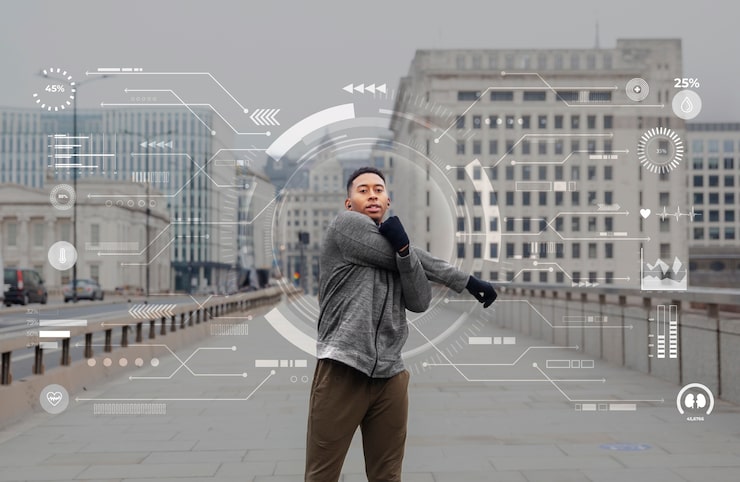
3. Education: Smarter Learning for a Smarter Generation
The American classroom is evolving through AI. From interactive tutoring systems to adaptive learning platforms, students now get personalized education experiences that match their pace and learning style.
AI is revolutionizing education through:
-
Automated grading and student progress tracking
-
Real-time language translation for ESL students
-
Personalized lessons through platforms like Duolingo or Khan Academy
By making learning more accessible, AI is helping bridge educational gaps and empowering students from coast to coast.
4. Transportation: Driving Toward an Autonomous Future
AI is steering the U.S. toward safer, smarter transportation. Self-driving cars, AI-assisted logistics, and intelligent traffic systems are reducing congestion and accidents nationwide.
Examples include:
-
Tesla’s Autopilot and GM’s Cruise testing across major U.S. cities
-
AI-driven ride-hailing algorithms by Uber and Lyft
-
Smart traffic lights using predictive analytics to improve flow
Within a few years, Americans may spend less time driving and more time being productive on the road.
5. Finance: Smarter Spending and Saving
AI is also revolutionizing how Americans earn, spend, and invest. Fintech companies use algorithms to detect fraud, automate budgeting, and suggest better investment opportunities.
Popular AI applications in finance:
-
AI chatbots in banking (like Erica by Bank of America)
-
Personalized investment advice via robo-advisors
-
Fraud prevention and credit monitoring systems
In short, AI is helping consumers take control of their money and make smarter financial decisions with real-time insights.
6. Retail and Customer Service: The AI Shopping Experience
U.S. retailers are using AI to make shopping faster, smarter, and more personal. From virtual try-ons to predictive restocking, AI helps brands understand what customers want — before they even ask.
Key innovations include:
-
Personalized recommendations from Amazon and Walmart
-
Virtual assistants in customer support
-
AI-powered inventory and delivery management
These technologies improve customer satisfaction and efficiency while boosting business profits.
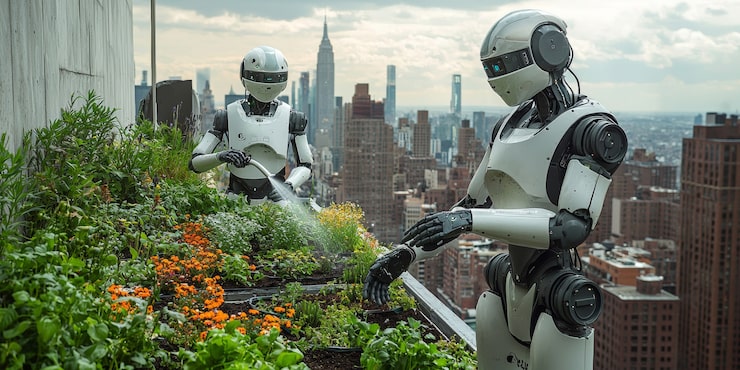
7. Workplace Automation: Boosting Productivity, Not Replacing People
Across industries, AI is redefining how Americans work. Rather than replacing jobs, it’s enhancing productivity and efficiency.
AI’s role in the workplace:
-
Automating repetitive tasks
-
Analyzing large datasets for decision-making
-
Supporting hybrid work with virtual assistants and AI-driven project tools
AI allows workers to focus on creativity, strategy, and human connection — the very things machines can’t replicate.
8. Entertainment: Personalized, Interactive, and Intelligent
From Netflix recommendations to AI-generated music, entertainment in the U.S. is becoming deeply personalized. Virtual influencers, smart content algorithms, and interactive storytelling are reshaping the way audiences experience media.
Trends to watch:
-
AI-driven content creation (music, scripts, and visuals)
-
Real-time customization in gaming
-
Virtual concerts and metaverse events
AI isn’t just changing how entertainment is made — it’s changing how it’s lived.
Conclusion
AI has become the invisible engine driving America’s digital transformation. It’s in our homes, schools, hospitals, and workplaces — reshaping daily life in ways both subtle and extraordinary.
As AI continues to evolve, the U.S. stands at the forefront of innovation, where technology and human creativity merge to build a smarter, safer, and more connected world.
The future isn’t coming — it’s already here, powered by artificial intelligence.